
Surgical Textiles & Protective Apparel
In the operating room, there is no margin for inconsistency. Standard Textile's surgical textile programs are for that environment, helping OR teams in maintaining sterile fields, supporting infection control, and managing program complexity.

Filter
Categories
Collection
Pattern/Style
Material
Product Type
31 Items






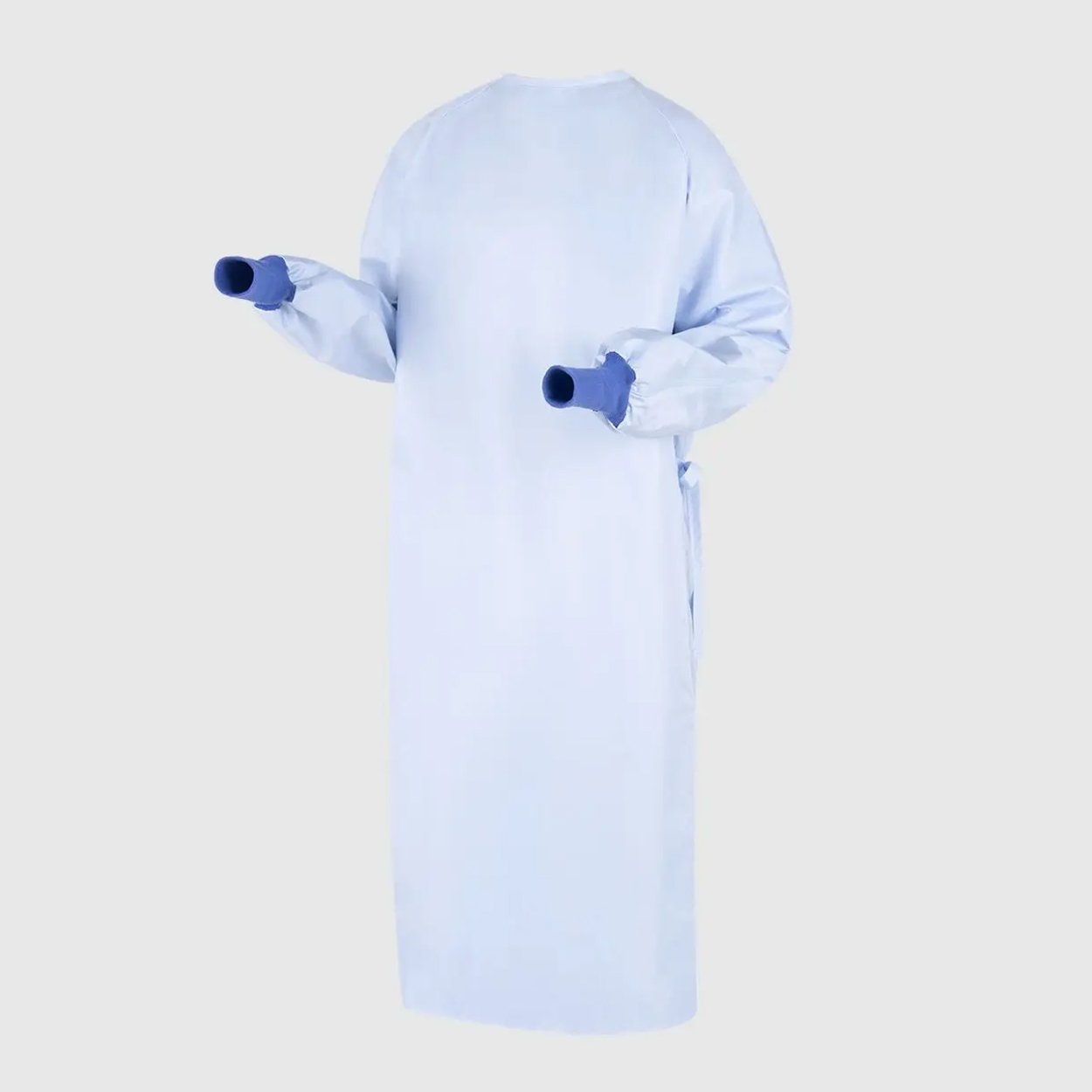
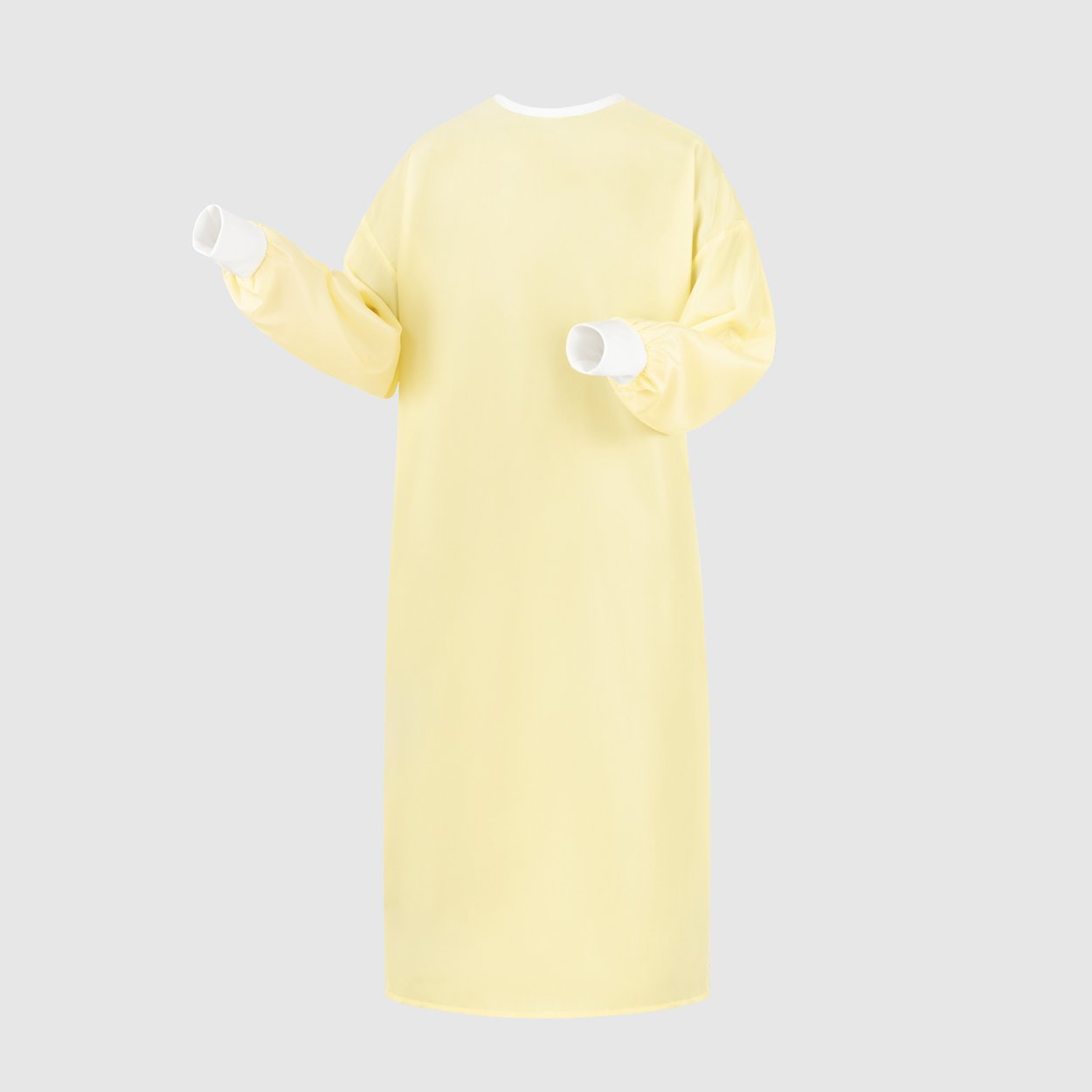
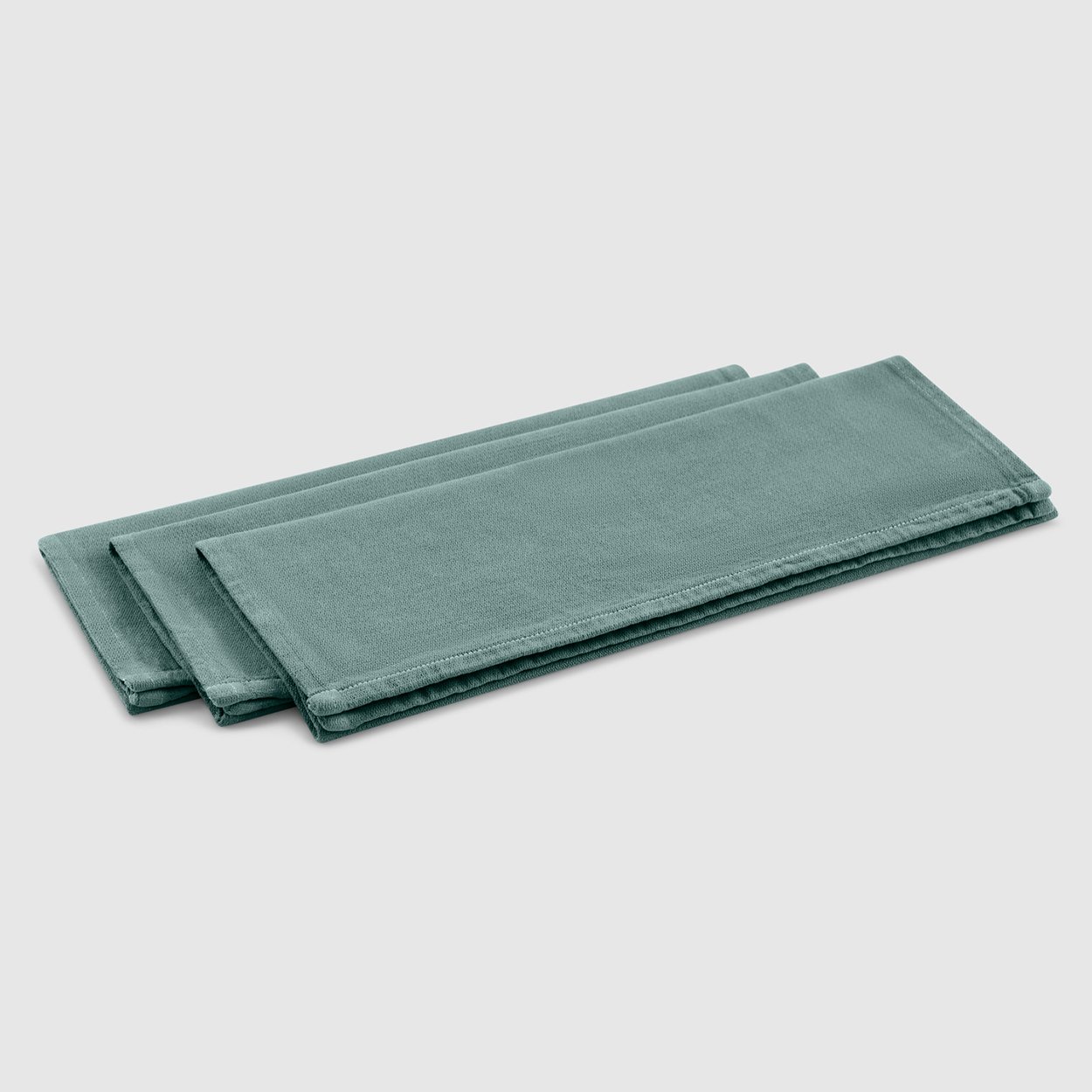
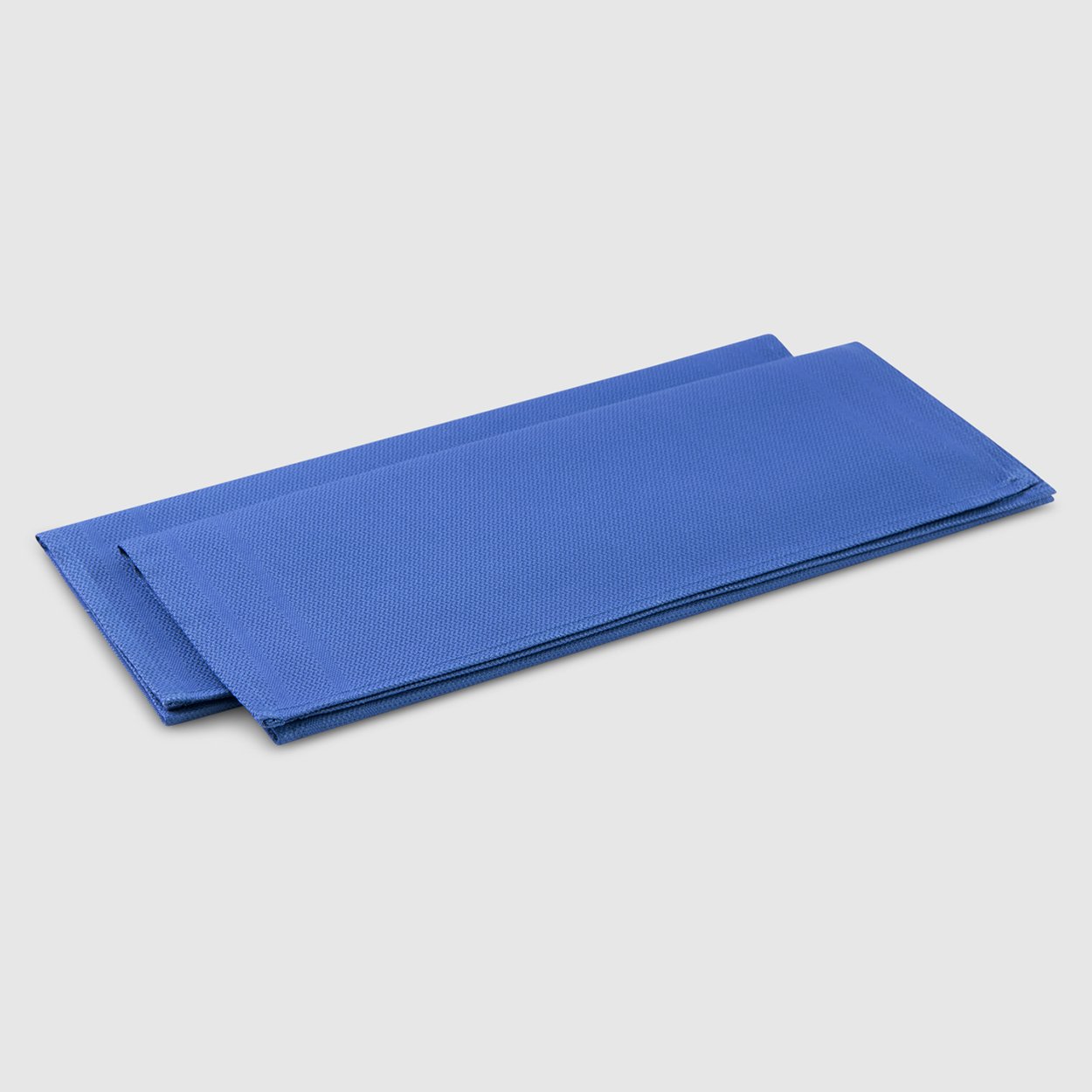
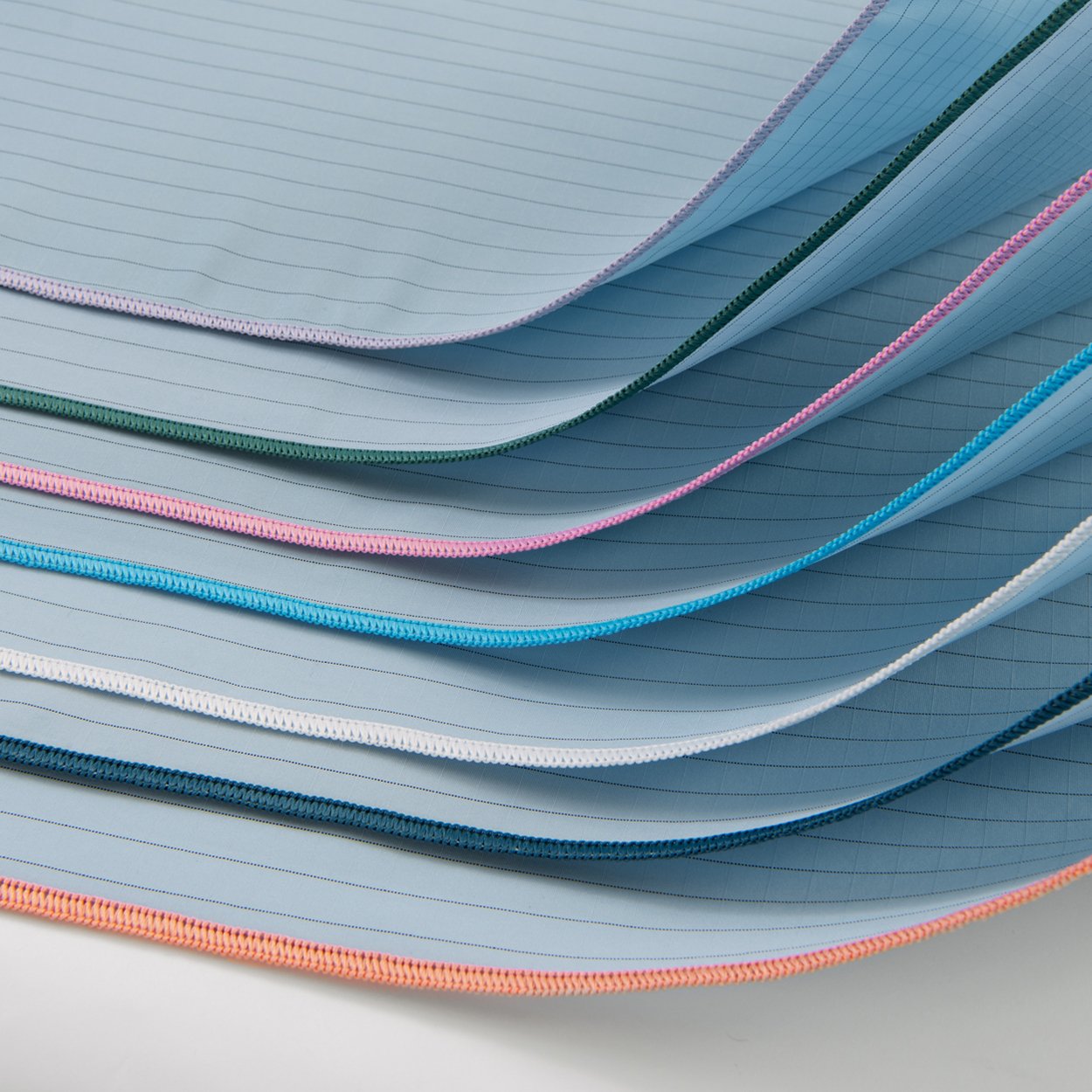
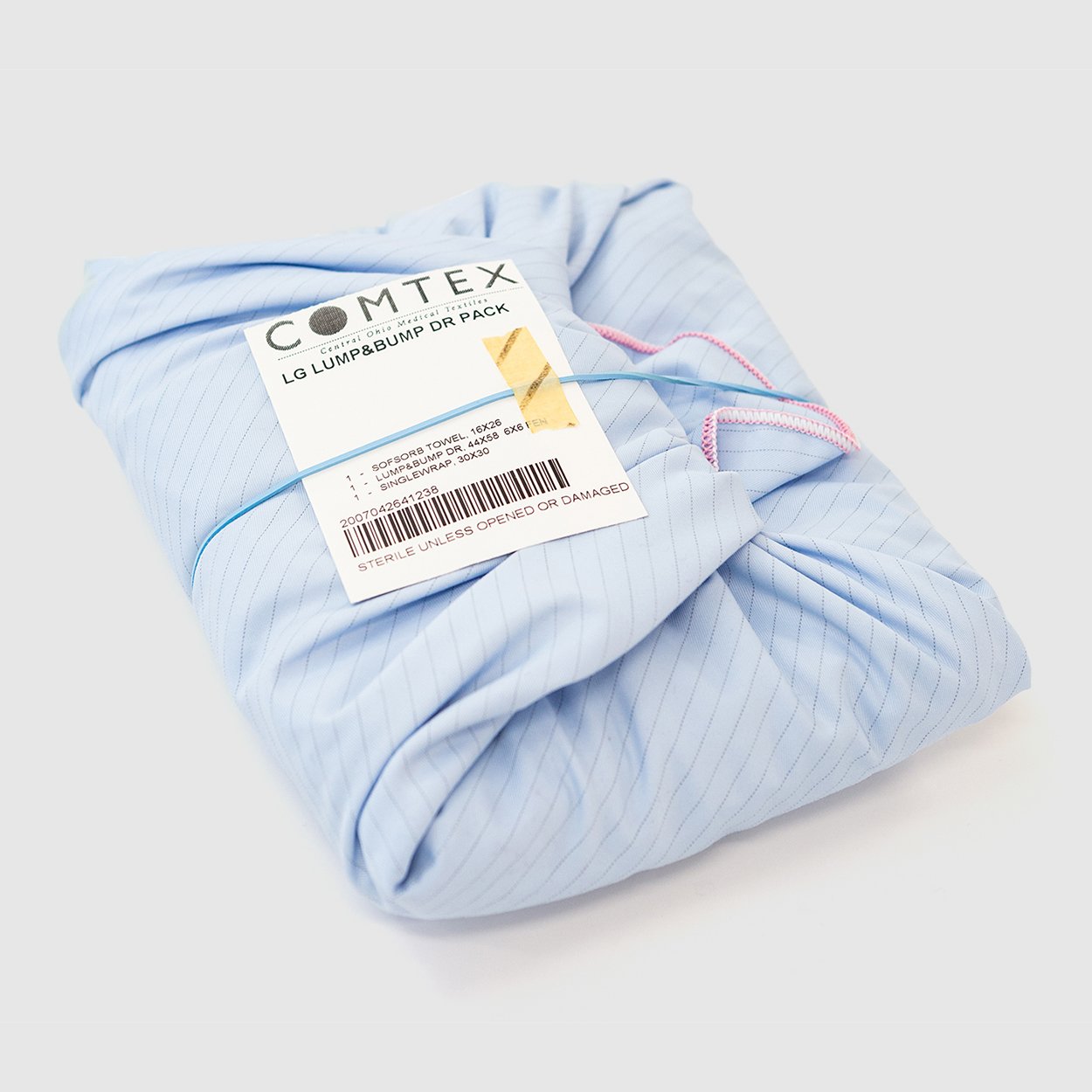
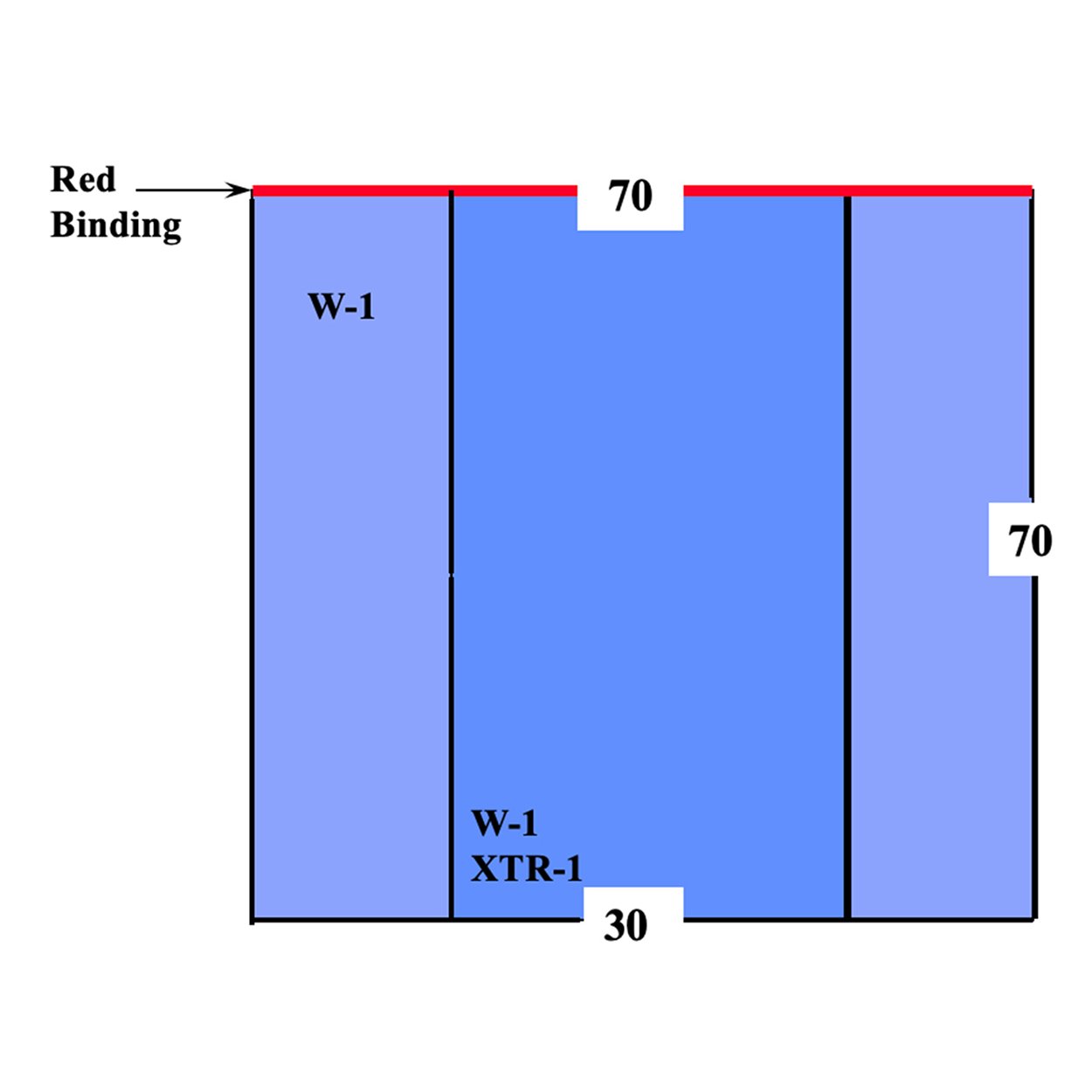





What Surgical Products Does Standard Textile Offer?
Healthcare systems need more than individual products. They need surgical textile programs that hold together across operating rooms, departments, and facilities without adding complexity to procurement or processing workflows.
Our surgical offering includes:
- Surgical gowns
- Protective apparel
- Surgical drapes and draping systems
- Surgical wrappers
- Surgical towels
- Mayo stand covers
- Back table covers
- Surgical accessories
- Surgical linen management programs
As a medical textiles manufacturer with deep healthcare experience, Standard Textile supports surgical programs at scale, helping organizations standardize products, maintain consistency, and keep operations running reliably across multiple sites.
What Should Healthcare Facilities Look for in Surgical Gowns and Protective Apparel?
As a medical textiles manufacturer with deep healthcare experience, Standard Textile supports surgical programs at scale, helping organizations standardize products, maintain consistency, and keep operations running reliably across multiple sites.
Key considerations for surgical procurement teams:
- Barrier protection: Products aligned with required protection levels for different procedures and clinical environments
- Fluid resistance: Materials that perform reliably when exposed to liquids throughout surgical procedures
- Mobility and comfort: Apparel that supports movement and reduces fatigue during extended cases
- Processing compatibility: Reusable programs that maintain required performance through repeated laundering and sterile processing cycles
- Compliance support: Products that help facilities meet applicable OR standards without creating workarounds
- Program consistency: Standardized products that simplify training, inventory management, and purchasing decisions
Getting that combination right matters beyond the procedure itself. The right medical apparel and textiles program supports clinical performance and operational efficiency, enabling facilities to manage costs without compromising the standards the OR depends on.
What Are Surgical Drapes and How Are They Used in the OR?
Surgical drapes do more than cover a surface. They help establish and maintain the sterile field throughout a procedure, while products like wrappers, mayo stand covers, and back table covers extend that protection to instruments, supplies, and procedural areas that a single drape can't cover alone.
Healthcare buyers evaluating surgical drapes and related textiles should focus on:
- Barrier integrity: Consistent protection throughout the procedure, not just at the start
- Fluid management: Effective liquid control that helps maintain a cleaner surgical environment
- Sterile processing compatibility: Products that integrate into existing processing workflows without disruption
- Reliable availability: Consistent supply that keeps the OR stocked and procedure-ready
- Standardization across the suite: Coordinated products that simplify inventory management and staff workflows
For large healthcare systems, consistency across facilities matters as much as individual product performance. Manufacturing control is what makes that consistency possible, not just in spec, but in practice.
What Is the Role of Medical Textiles in Infection Control?
Surgical textiles are a working part of a facility's infection control strategy, not a passive one. How products perform, how they're processed, and how consistently they're managed all contribute to the broader effort to maintain safe OR environments.
Healthcare organizations evaluating surgical textiles for infection control typically focus on:
- Barrier performance: Products that support separation between sterile and non-sterile environments throughout the procedure
- Sterile processing compatibility: Textiles that perform consistently within established processing workflows cycle after cycle
- Reusable program performance: Well-managed reusable programs that support operational and environmental goals without compromising clinical standards
- Product consistency: Reliable performance across facilities that supports compliance and reduces variability
- Application-specific solutions: Different procedures and departments may require different surgical textile approaches
Depending on facility needs, programs may incorporate reusable surgical textiles, specialized medical fabrics, or nonwoven medical textile products. The goal across all of them is the same: supporting infection control efforts while keeping operations efficient.
What Is Surgical Linen Management and Why Does It Matter?
Supplying surgical textiles is the starting point, not the finish line. Inventory levels, processing workflows, distribution, and replenishment of product all shape how effectively an operating room functions day-to-day, and gaps in any of them create operational friction that falls on clinical teams to absorb.
A well-structured surgical linen management program addresses that complexity by supporting:
- Inventory visibility: Better tracking that reduces shortages and prevents unnecessary overstocking
- Par level management: Appropriate inventory levels that keep the OR procedure-ready without excess
- Processing coordination: Alignment between OR and processing teams that maintains visibility into product status through all stages of processing
- Program consistency: Standardized practices that simplify management across departments and facilities
- Operational efficiency: Reduced manual oversight that frees clinical teams to focus on patient care
When surgical linen management is treated as a program rather than a purchasing decision, facilities improve workflow consistency, support compliance, and reduce the operational burden of managing it piecemeal.
How Do Surgical Textile Programs Scale Across Healthcare Systems?
Large healthcare organizations managing surgical programs across multiple facilities and OR suites face a compounding challenge: the more sites involved, the greater the potential for inconsistency. Standardization matters, but it only holds if the supply chain behind it is reliable.
Scalable surgical textile programs are built around:
- Product standardization: Consistent products that simplify purchasing, training, and inventory management across the system
- Replenishment planning: Reliable supply strategies that keep facilities procedure-ready without last-minute gaps
- Sterile processing alignment: Coordinated workflows that support operational efficiency across facilities
- Cross-facility consistency: Programs that maintain the same standards throughout the health system, not just at individual sites
- Supply chain reliability: Manufacturing oversight that reduces disruptions and keeps programs performing as designed
Standard Textile supports healthcare organizations with surgical textile programs built for that scale. By maintaining direct manufacturing expertise across the program, we reduce complexity, improve consistency, and support long-term operational performance across healthcare systems.
Contact us to discuss your needs for surgical textiles and protective apparel programs.